 EcoSmart Stud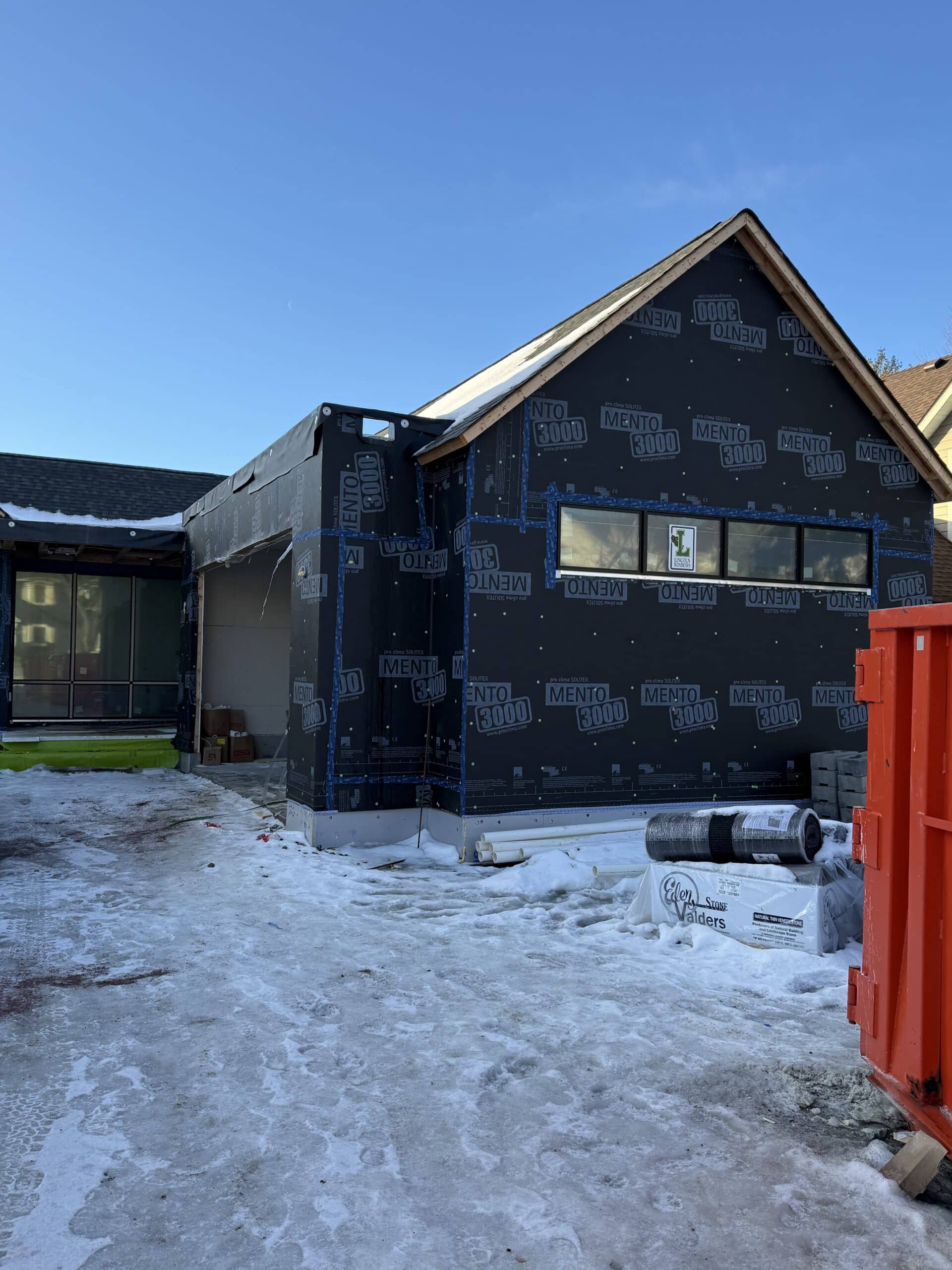
Below-zero temperatures are expected this weekend, thermal images of the build will follow next week!
Different Styles of Insulation and Build
This home is insulated slightly differently from the Minneapolis build. They are using more 2lb closed-cell spray foam in the chamber than in the Minneapolis build to exceed the current Minnesota Energy Code requirements. This build also includes some double-stud walls throughout the home to allow room for the automatic shades. These double-stud exterior walls, along with EcoSmart® Studs, will minimize thermal bridging and raise the effective R-value of the exterior wall at a very low cost compared to exterior continuous insulation (ECI).
Lower U-value Triple Pane Windows
This home has upgraded triple-pane windows. The U-values of the windows, depending on style, range from U-0.14 to U-0.18. Do the quick math 1/0.14 to get the R-value of the window. These windows will reduce heat loss through the window area by about 1/2 compared to windows with a U-0.28 rating. The windows provide a complete thermal break because they achieve an R-5 rating. Plus, this home has an excellent southern exposure for winter sun. My back-of-the-napkin math shows that even on a colder day, up to 1/2 of the BTU heat loss from the home will be offset by thermal gain through the southern windows!
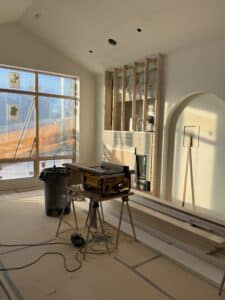
The insulation envelope or thermal envelope of a building is a combination of several factors. Raise 2 of these factors (basement walls & above-grade walls), and you can make a much more energy-efficient home than the minimum energy code as seen in the Minneapolis build HERS score. Raise all the factors of the thermal envelope and minimize unpredictable energy bills even farther.
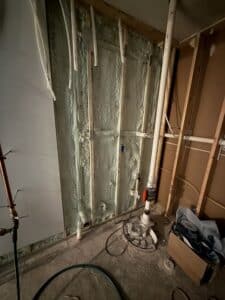
Sustainable 9 has an energy guru on their staff. Plenty of planning went into this home’s thermal envelope.